Storm Damage Threatens Archaeological Dig Site in Quinhagak, Alaska
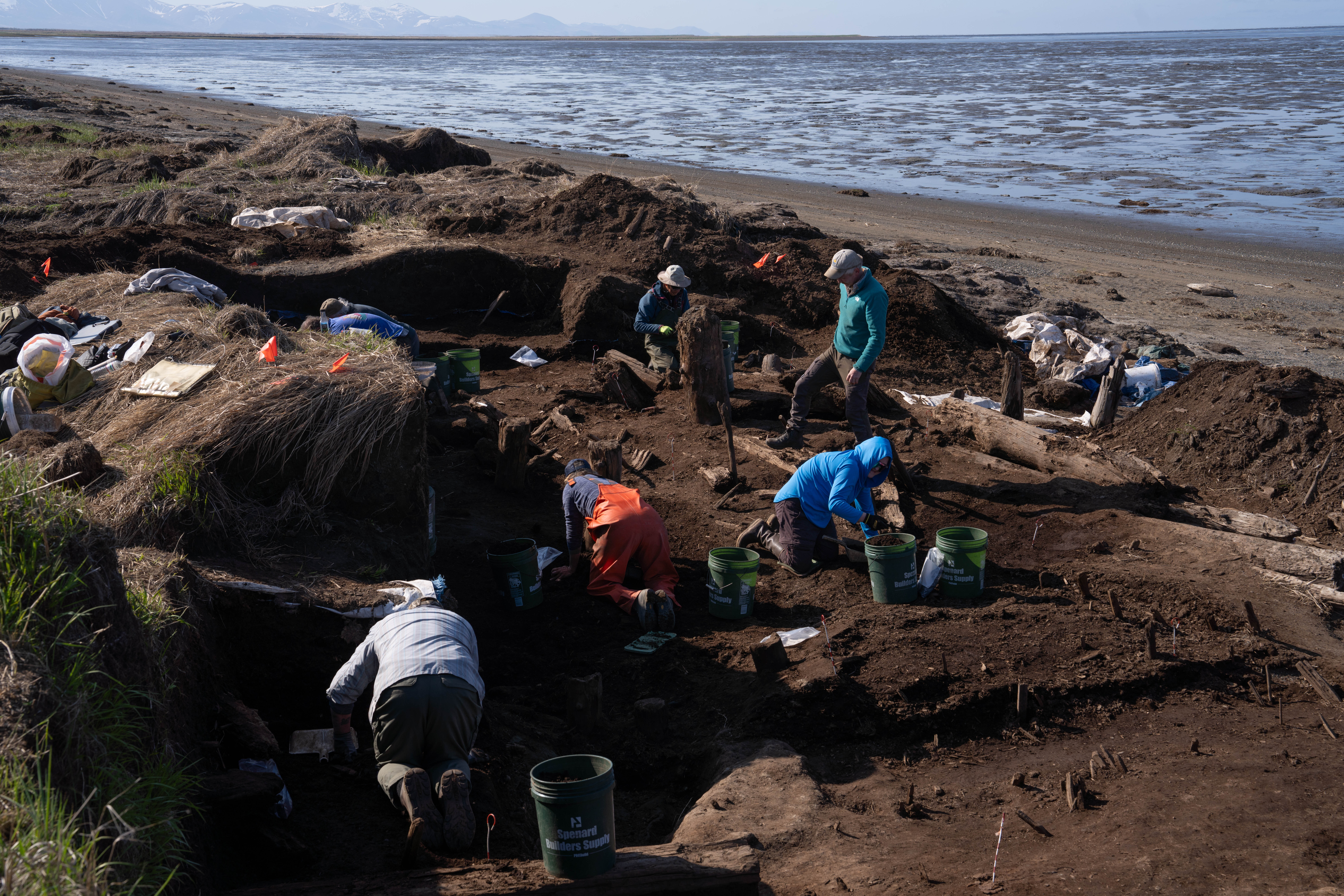
A storm in Alaska damaged an archaeological dig site near the coastal village of Quinhagak, scattering artifacts. Archaeologists are now racing to recover historical objects before the next storm.
 Baltimore, MD, September 19, 2026 —
A recent severe storm has caused significant damage to an important archaeological dig site located near the coastal village of Quinhagak, Alaska. The inclement weather scattered valuable historical artifacts, prompting urgent efforts by archaeologists to salvage remaining items.
The extent of the damage is still being assessed, but initial reports indicate that the storm’s intensity led to the disarray of excavated materials and the potential loss of historical context. The site, which is crucial for understanding the region’s past, is now vulnerable to further erosion and environmental impact.
Archaeologists on-site are engaged in a race against time. Their primary objective is to recover and secure as many historical objects as possible before subsequent weather systems can inflict additional damage or wash away evidence of past human activity. The success of this recovery effort is critical for preserving a significant portion of Alaska’s cultural heritage.
The specifics regarding the exact timeline of the storm, the duration of the dig, or the particular nature of the artifacts affected were not immediately available. However, the urgency of the situation is paramount, as the archaeologists face challenging conditions and the looming threat of future storms.
This incident highlights the ongoing challenges faced by archaeological research in remote and weather-vulnerable regions. The efforts in Quinhagak underscore the delicate balance between scientific discovery and the preservation of historical sites against natural forces.
Story summarized from the original created by Samantha Watson on www.npr.org, see more information here.
Media gallery