
Historic El Niño Strengthens, Bringing Divergent Weather Patterns Across U.S.
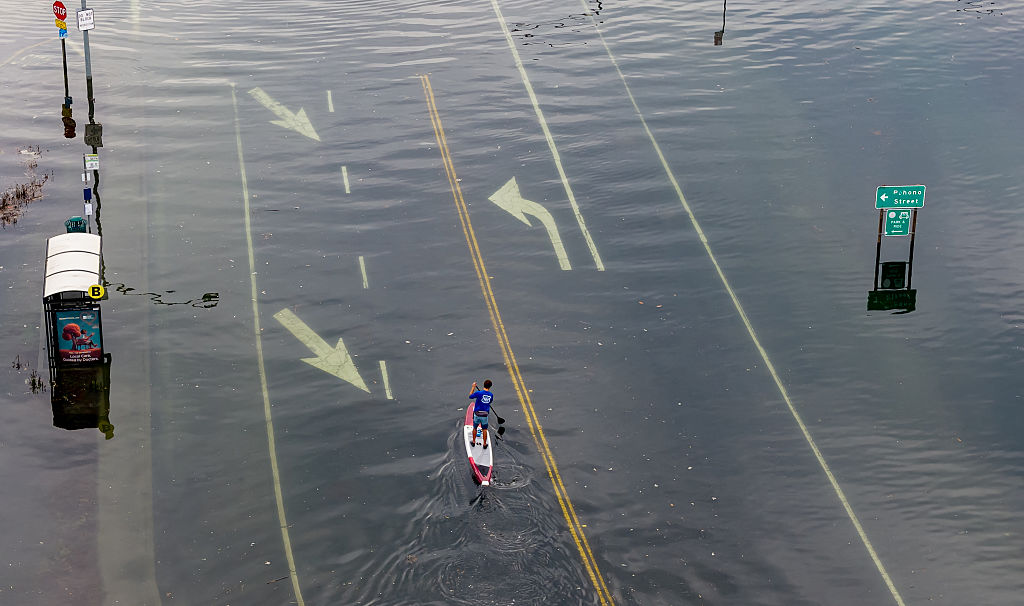
El Niño is strengthening and projected to be a historic event, with its effects already manifesting across the United States. Coastal regions in California and Florida are experiencing heavy rain, significant flooding, and elevated flood risks, with San Francisco setting…

 Baton Rouge, LA, November 25, 2026 —
The El Niño weather pattern is intensifying and is now projected to become a historic event, impacting diverse regions of the United States with contrasting weather conditions. The phenomenon’s effects are already being observed, leading to significant developments along both the West and East coasts, as well as anticipated changes in other parts of the country.
Coastal areas, particularly in California and Florida, are currently contending with substantial rainfall, leading to widespread flooding and elevated flood risks. In California, San Francisco has recorded new tide records, indicative of the altered oceanic and atmospheric conditions. Los Angeles is also experiencing a marked increase in high-tide flooding events, noting its highest number of such days on record. These developments highlight the immediate and tangible impacts of the strengthening El Niño on coastal infrastructure and communities.
Conversely, the same strengthening El Niño is expected to provide significant drought relief to the southeastern United States. Forecasters anticipate a wetter-than-average winter for the region. Initial reports are already indicating substantial rainfall in certain areas within the Southeast, suggesting a potential shift away from prolonged dry spells. This contrast in weather impacts underscores the complex and far-reaching influence of major climate patterns like El Niño.
The full scope and duration of this historic El Niño event are still under observation, but its current trajectory points towards a period of significant meteorological shifts across the nation, demanding attention from residents and authorities in affected areas.
Story summarized from the original created by Rebecca Schneid on time.com, see more information here.
Media gallery


