
New Study Suggests School Cellphone Bans May Aid Academic Recovery
A new study conducted in the United States suggests that school cellphone bans can be effective in helping students recover academic learning lost since 2013, a finding that diverges from earlier research.

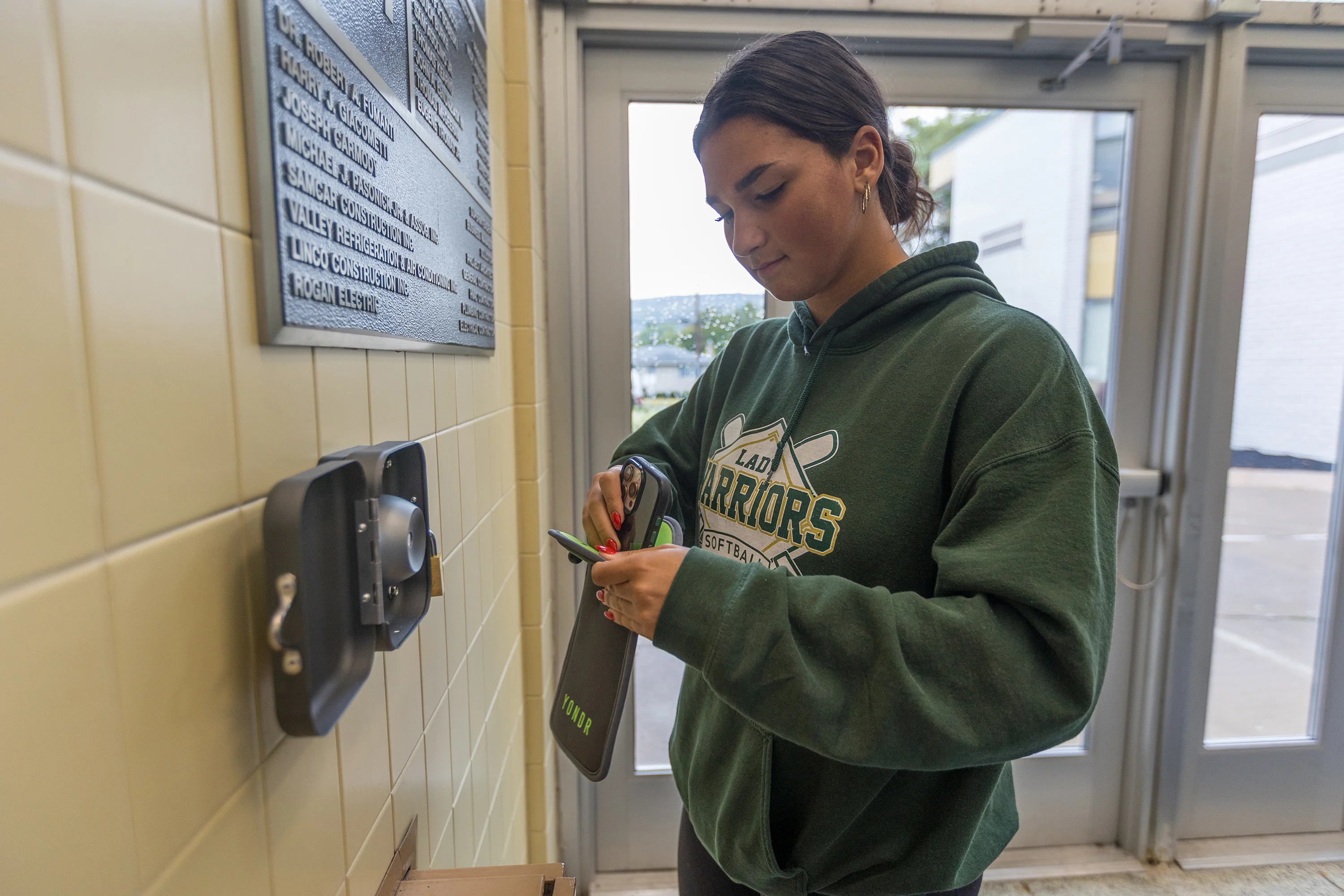
 Baton Rouge, LA, November 17, 2026 — A recent study originating from the United States indicates that implementing bans on cellphone use within schools could be a beneficial strategy for aiding students in regaining academic ground lost since 2013. This finding presents a notable shift from some earlier research on the subject.
The study’s conclusions suggest a positive correlation between restrictive cellphone policies in educational settings and the recovery of academic learning. The period referenced, “since 2013,” points to a timeframe where shifts in academic performance or engagement may have occurred, and the research posits that removing personal electronic devices could be a contributing factor to reversing any identified decline.
Details regarding the specific institution or researchers behind this new study were not provided in the summary. Similarly, the exact nature of the academic learning loss measured and the methodologies used to determine the effectiveness of cellphone bans were not specified. The summary also did not detail the nature of the “earlier research” that this new finding diverges from, leaving room for further investigation into the contrasting perspectives.
However, the core assertion of the study is that by limiting or eliminating student access to mobile phones during school hours, educational environments may foster improved concentration, engagement with curriculum, and ultimately, a recovery of academic skills that may have faltered. This perspective could inform future educational policies and practices concerning technology in schools.
The implications of such findings could be significant for educators, administrators, and policymakers evaluating the role of technology in the classroom and its potential impact on student achievement. The research, as presented, suggests that a more controlled technological environment might be conducive to academic progress, challenging previous understandings or assumptions about device usage in schools.
Story summarized from the original created by Cory Turner on www.npr.org, see more information here.
Media gallery


